"If You're Going To Be A Bear, Might As Well Be A Grizzly Bear!" E.D. Berry

Scopes, Sights & Optics
Shop our selection of scopes, sights & optics from top brands like Cross Armory, High Speed Gear, Arsenal Firearms, BSA Optics, and Athlon. Cane Creek Munitions offers high-quality, precision scopes, sights & optics built for hunters, long-range shooters, competition shooters, and tactical users who need clear glass and reliable aiming solutions in any condition. From magnified rifle scopes to compact reflex sights and rugged red dots, we carry a wide range of optics to fit every firearm and shooting style. Explore our gun scopes and spotting scopes for precise aiming and observation, then light up your target with flashlights for low-light conditions. Round out your kit with gun sights, red dot sights, rifles, handguns, and rifle ammunition from our full lineup.
Filter
Filter Price
$
5.43
—
$
10,403.43
All Categories
All Brands
All Calibers
All Model Fit
All Grains Weight
All Capacity
All Barrel Length
All Sights
All Optic Type
All Power
All Objective Size
All Reticle
Showing 1–16 of 6364 results
-
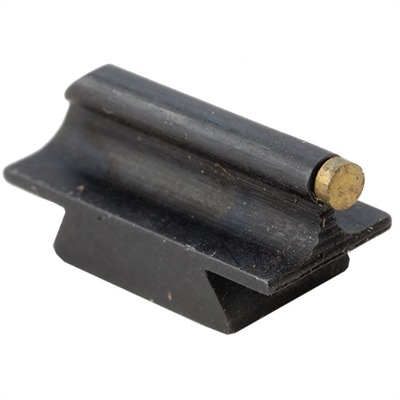
.250” BEAD 1/16” NARROW FRONT SIGHT BRASS GOLD
$11.86 -
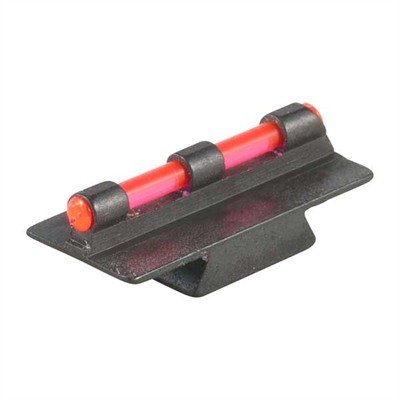
.250” FIBER OPTIC 250M FRONT SIGHT STEEL RED
$15.62 -
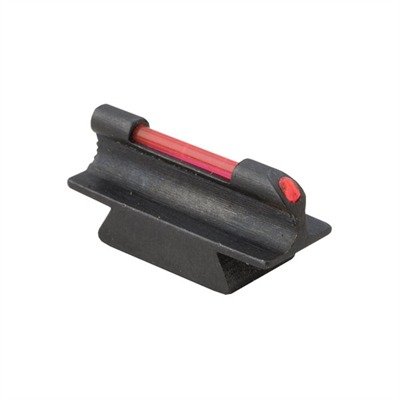
.250” FIBER OPTIC 250N FRONT SIGHT STEEL RED
$15.62 -
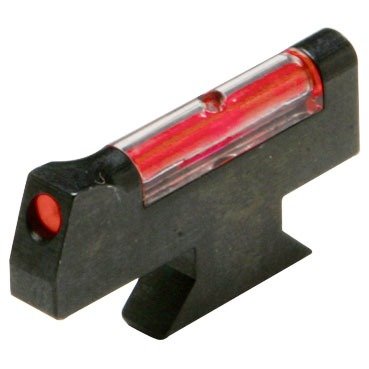
.250” FRONT SIGHT, RED
$32.01 -
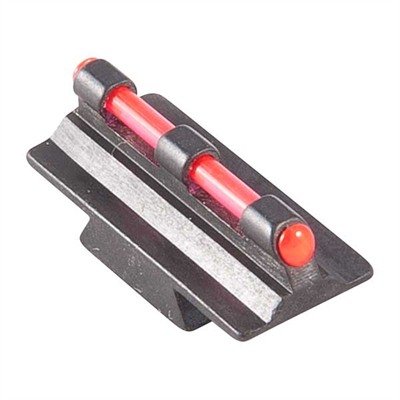
.290” FIBER OPTIC 290M FRONT SIGHT STEEL RED
$15.62 -
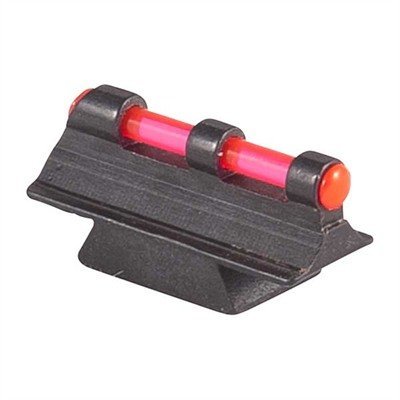
.290” FIBER OPTIC 290N FRONT SIGHT STEEL RED
$15.62 -
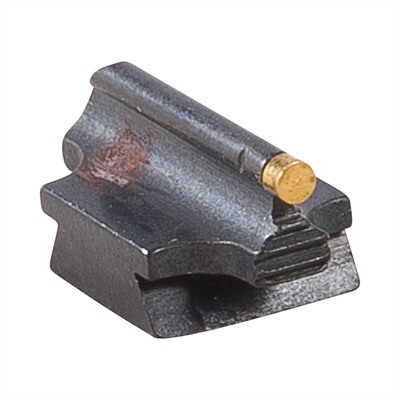
.290” RAMP MOUNTED 1/16” 29-MR FRONT SIGHT BRASS GOLD
$14.34 -
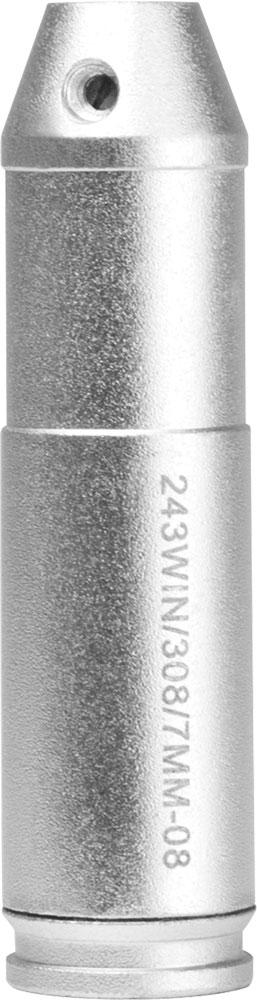
.308 CARTRIDGE RED LASER BORE SIGHTER
$18.99.308 CARTRIDGE RED LASER BORE SIGHTER -
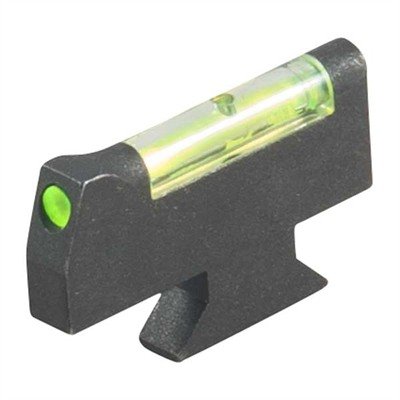
.310” FRONT SIGHT, GREEN
$34.95 -
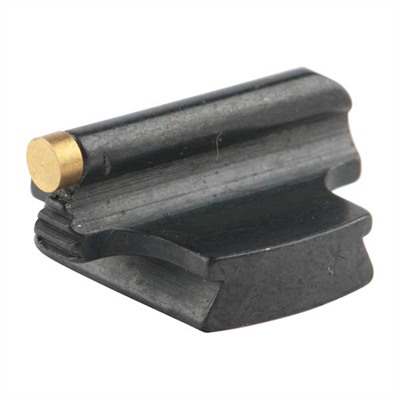
.312” BARREL MOUNTED 3/32” 31-W FRONT SIGHT BRASS GOLD
$14.34 -
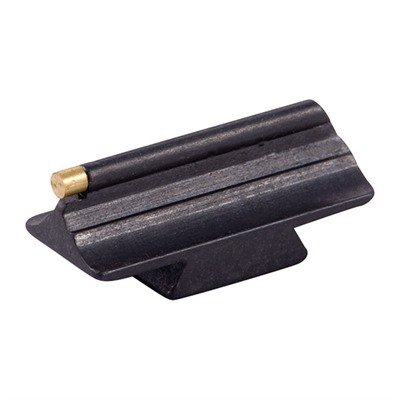
.312” BEAD 1/16” MEDIUM FRONT SIGHT BRASS GOLD
$11.86 -
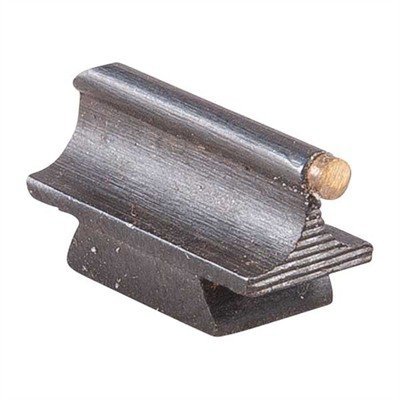
.312” BEAD 1/16” NARROW FRONT SIGHT BRASS GOLD
$11.86 -
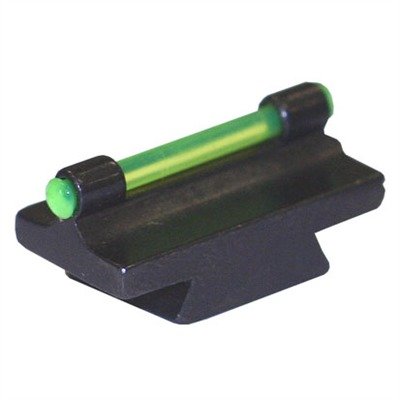
.312” FIBER OPTIC GLOW 31-MR FRONT SIGHT STEEL GREEN
$17.46 -
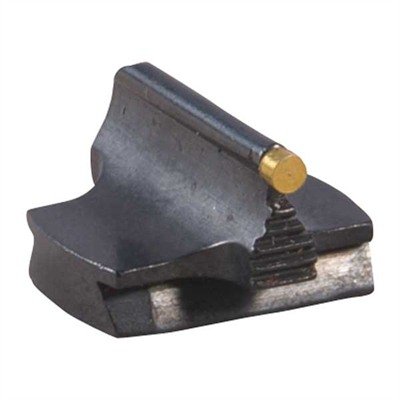
.343” BARREL MOUNTED 1/16” 34-W FRONT SIGHT BRASS GOLD
$14.34 -
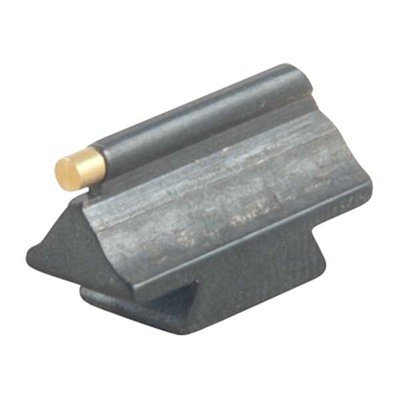
.343” BEAD 1/16” NARROW FRONT SIGHT BRASS GOLD
$11.86 -
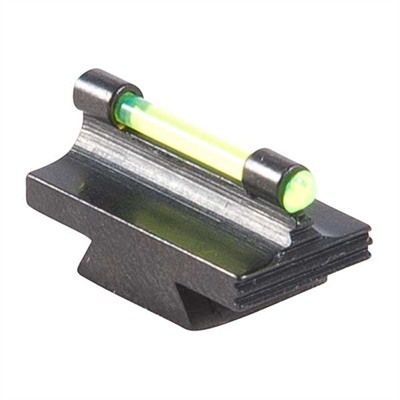
.343” FIBER OPTIC GLOW 34-MR FRONT SIGHT STEEL GREEN
$17.46
Scopes, Sights & Optics Buying Guide
Buy scopes, sights and optics online by comparing models, checking current availability, and reviewing specifications such as caliber, capacity, barrel length, and sight configuration. Selecting the right optical equipment depends on your platform, target distance, and the lighting conditions you expect to encounter.
Use these pointers to focus your search:
- Consider mounting a parallax-free red dot sight on defensive and close-range setups, since red dots deliver fast target acquisition with both eyes open for AR-platform builds, pistols, and shotguns.
- Add a laser sight for low-light or compromised shooting positions, since visible and infrared lasers add fast aiming references for defensive use and complement traditional sights in home defense setups.
- Extend your effective hunting hours with night vision optics, since image-intensified and digital devices deliver target identification for predator hunting and after-hours pest control where legal under Arkansas Game and Fish Commission rules.
- Explore thermal sights for detection capability in complete darkness, since thermal imaging reads heat signatures rather than available light, making it especially effective for feral hog and coyote control across the Arkansas Delta.
- Upgrade or replace iron gun sights when stock sights fall short, since fiber optic fronts, tritium night sights, and serrated rear blades each address specific lighting conditions and shooting applications.
- Pair your optics setup with quality gun parts including rings, bases, and rail sections, since mounting hardware is just as important to accuracy and reliability as the optic itself.
Local And Compliance Notes
Browse scopes, sights and optics online or visit the gun shop in Wynne, Arkansas to handle different reticles, check eye relief, and compare glass clarity in person. Cane Creek Munitions serves customers in the nearby cities of Marion, Harrisburg, and Forrest City, stocking optics for whitetail and feral hog hunting, predator and varmint work, waterfowl scouting, three-gun competition, defensive carry, and precision rifle shooting across the Arkansas Delta.
Most optics ship without federal firearms restrictions and do not require a background check or ATF Form 4473, though night vision and thermal devices may be subject to International Traffic in Arms Regulations (ITAR) and other export control rules that prohibit shipment outside the United States. Arkansas does not impose state-level optic restrictions for civilian sporting use, and night vision and thermal optics are legal to own, with Arkansas Game and Fish Commission rules governing their use during specific hunting scenarios.
Mount optics using torque-rated rings or mounts and verify zero before relying on a setup for hunting or defense, since loose mounting hardware is the most common source of accuracy and reliability issues. Store optics in padded cases or with lens caps installed to protect coatings from grit and humidity, and contact the shop with questions about availability, fitment, or special-order configurations.
Frequently Asked Questions About Scopes, Sights & Optics
1. What is the difference between MOA and MIL reticles?
+MOA (minute of angle) divides the circle into 21,600 units and translates to roughly one inch at 100 yards, while MIL (milliradian) divides the circle into 6,283 units and translates to 3.6 inches at 100 yards. Both systems are accurate, with shooters typically choosing based on personal preference and matching turret-to-reticle units.
2. What is the difference between night vision and thermal optics?
+Night vision amplifies available ambient light to produce an image in low-light conditions, while thermal optics detect heat signatures and produce an image based on temperature differences regardless of ambient light. Thermal is more effective for detecting hidden animals in complete darkness, while night vision delivers more natural image detail in partial light.
3. Are thermal sights legal for hunting in Arkansas?
+Arkansas Game and Fish Commission rules govern the use of thermal and night vision optics during hunting, with regulations that vary by species and season. Thermal optics are commonly used for feral hog and predator control, but always check the current hunting regulations for species-specific rules before heading afield.
4. What is parallax and why does it matter on a rifle scope?
+Parallax is the apparent shift of the reticle relative to the target when the shooter’s eye moves off the optical center of the scope, which can cause point-of-impact errors. Most scopes are parallax-corrected at a fixed distance or include an adjustable parallax turret for precise work at varying ranges.
5. What is the difference between first focal plane and second focal plane scopes?
+In a first focal plane (FFP) scope, the reticle scales with magnification, so holdover and ranging marks remain accurate at any power. In a second focal plane (SFP) scope, the reticle stays the same size regardless of magnification, limiting accurate holdovers to one specified power setting.
6. Do I need a background check to buy a scope or red dot sight?
+Standalone optics are not classified as firearms under federal law and do not require a background check or ATF Form 4473 to purchase. Standard retail and online ordering rules apply, though night vision and thermal devices may be subject to export control restrictions.
7. How do I clean optic lenses without scratching them?
+Use a soft brush or compressed air to remove grit before any wiping, then apply a small amount of lens cleaning solution to a microfiber cloth and wipe in concentric circles from the center outward. Avoid using paper products, shirt hems, or solvents not rated for optical coatings.
8. How does humidity affect optics storage?
+Extended exposure to humidity can promote fungal growth on internal lens elements and degrade coatings over time, which is a real concern in the Arkansas Delta climate. Store optics in padded, sealed cases with desiccant packs when not in use to protect glass and coatings between outings.